
Uncontested Divorce
How Uncontested Divorce Works in St. Petersburg, Clearwater, and Pinellas County, FL
Ending a marriage is rarely easy, but when both spouses are able to agree on the terms of their separation, the process can be far more straightforward than a traditional divorce. An uncontested divorce is a divorce in which both spouses agree on every issue and the terms of the dissolution, from how property will be divided to how the children's needs will be met going forward. At Rosenthal Law Group, P.A., we help individuals throughout Pinellas County understand what an uncontested divorce involves and how to approach the process with confidence.
While Florida's uncontested dissolution process is generally less complicated than a contested divorce, that doesn't mean it's without important legal considerations. Even when spouses agree on the major issues, the way those agreements are documented and presented to the court can affect their enforceability down the road.
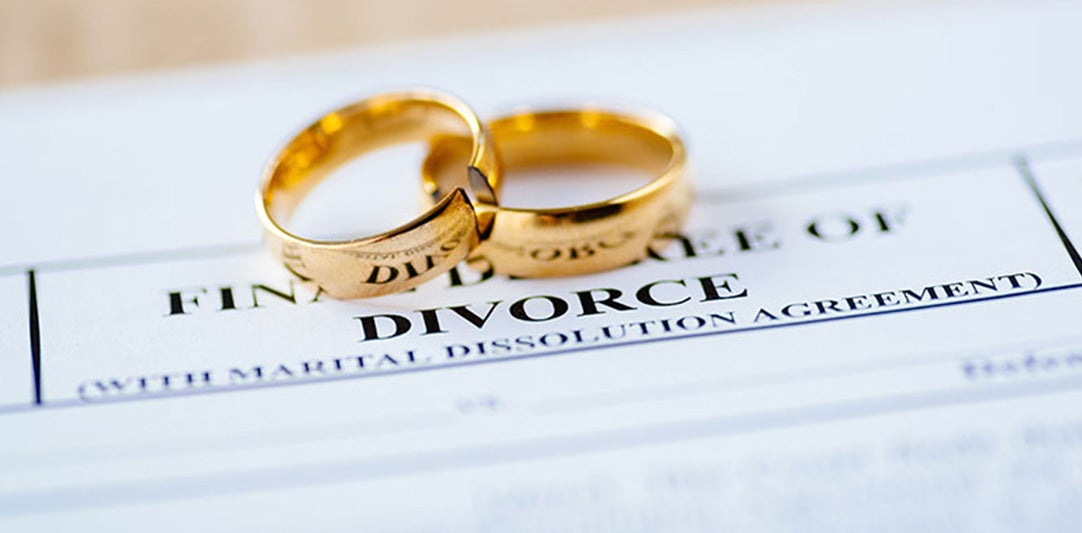
What Is an Uncontested Divorce in Florida?
An uncontested divorce occurs when both spouses agree on every issue related to ending their marriage, including how to divide their property and how to handle any parenting arrangements. Because there is no dispute for a judge to resolve, the case typically moves through the court system without the need for extended litigation, hearings on contested issues, or a trial.
That said, "uncontested" doesn't mean "unimportant." The agreement reached between spouses will govern significant aspects of their lives moving forward, which is why it's worth taking the time to make sure the terms are clear, complete, and fair to both parties before finalizing the divorce.
What Issues Must Be Resolved in an Uncontested Divorce?
Even in an amicable divorce, several issues may need to be addressed depending on the couple's circumstances. These commonly include:
Property distribution
How marital assets, such as the family home, vehicles, and personal property, will be divided
Debts
How marital debts, including credit cards, loans, and mortgages, will be allocated between the spouses
Assets
Identifying and dividing bank accounts, retirement funds, investments, and other financial holdings
Child custody and parental responsibility
Decisions about how parents will share responsibility for major decisions affecting their children
Time-sharing
Establishing a parenting schedule that reflects the children's best interests
Child support
Determining financial support obligations consistent with Florida's guidelines
Not every divorce will involve all of these issues. Couples without children, for example, will not need to address time-sharing or child support, while couples with significant assets may need to spend more time working through property and debt division.
How Does an Uncontested Divorce Work in Florida?
Generally speaking, an uncontested divorce involves one spouse filing a petition for dissolution of marriage, with both spouses ultimately submitting a signed agreement addressing the relevant issues. Florida has residency requirements and procedural rules that apply to any dissolution of marriage, and the specific steps involved can vary depending on the circumstances of the case, including whether children are involved.
Because court procedures and requirements can change and may apply differently depending on individual circumstances, spouses considering an uncontested divorce should confirm current requirements rather than relying solely on general information. This is one of the reasons many people find it helpful to consult with a lawyer before finalizing their agreement, even if they don't anticipate any disputes.
Is an Uncontested Divorce Faster Than a Contested Divorce?
Uncontested divorces are often less stressful and can be processed more quickly than contested divorces, primarily because the spouses have already resolved their disagreements before the case reaches the court. Without the need for extended negotiations, hearings, or trial preparation, there are simply fewer steps standing between the couple and a finalized divorce.
That said, the timeline for any individual case can vary based on court schedules, the completeness of the paperwork submitted, and the specific circumstances involved. There is no way to guarantee a specific timeframe for finalizing a divorce, and couples should be cautious of anyone who promises an exact date or a "quick and easy" outcome without knowing the details of their situation.
Can an Uncontested Divorce Become Contested?
One of the more difficult realities of divorce is that a case that begins amicably doesn't always stay that way. Spouses may initially agree on the broad strokes of their separation, only to discover disagreements once the details are worked out, particularly when it comes to dividing specific assets, calculating support obligations, or finalizing a parenting schedule.
This is why it matters for each spouse to understand their rights and obligations before signing any agreement. An agreement that seems fair on the surface may overlook important details or fail to account for future circumstances. Taking the time to review the terms carefully, and understanding what you're agreeing to, can help prevent misunderstandings that might otherwise turn an uncontested divorce into a contested one.
Do You Need an Attorney for an Uncontested Divorce?
Florida law does not require spouses to hire an attorney to complete an uncontested divorce. Many couples with straightforward circumstances are able to work through the process on their own. That said, obtaining legal guidance can help a spouse understand the terms of a proposed agreement, confirm that the paperwork is complete and properly prepared, and protect their interests throughout the process.
An attorney can also help identify issues that might not be obvious to someone without a legal background, such as how a particular asset should be classified or how a proposed parenting schedule might play out in practice. For many people, having that guidance provides added confidence that their agreement will hold up over time.
Uncontested Divorce in St. Petersburg and Pinellas County
If you are considering an uncontested divorce in St. Petersburg, Pinellas Park, Kenneth City, Clearwater, Seminole, or elsewhere in Pinellas County, it helps to work with someone familiar with the local courts and how family law matters are typically handled in the area. Rosenthal Law Group, P.A. works with clients throughout the region to help them understand their options and move through the divorce process with clarity.
Every family's situation is different, and what works for one couple in Clearwater may not be the right approach for a family in Seminole. Taking the time to understand your specific circumstances, and how Florida law applies to them, is an important part of reaching an agreement that truly reflects both spouses' interests.
Speak With Rosenthal Law Group, P.A. About an Uncontested Divorce
If you and your spouse have agreed to end your marriage and are ready to discuss the next steps, Rosenthal Law Group, P.A. is available to answer your questions about the uncontested divorce process in Florida. We can help you understand how the issues in your case may be addressed and what to consider before finalizing your agreement.
Schedule a consultation with Rosenthal Law Group, P.A. today to discuss your situation and learn more about your options moving forward.
Schedule a ConsultationWhat Our Clients Say
Divorce and family law matters are deeply personal. Hear from clients who trusted Rosenthal Law Group to guide them forward.